
Thinking about going darker? A blonde to brunette hair color transformation is one of the most requested (and most misunderstood) services in any salon. It looks simple in a 15-second video, but there’s a lot happening behind the scenes to make sure you walk out with rich, believable brunette color instead of something flat, muddy, or prone to fading in three weeks. Here’s what an actual hair color transformation involves when it’s done right, and why the process matters just as much as the shade you pick.
Why This Isn’t a One-Step Service
If your hair has ever been lightened, whether that’s full color, highlights, or even sun damage, it’s missing warm pigments that natural brunette hair has. Skip straight to a brunette dye and the color often turns ashy, gray-ish, or just plain flat. That’s why a proper color correction usually starts with “filling,” gently reintroducing gold, copper, or red pigment back into the hair before the brunette shade goes on top. It sounds like an extra step for nothing, but it’s the difference between brunette hair that looks rich and dimensional versus color that reads muddy in photos.
What Actually Happens in the Chair
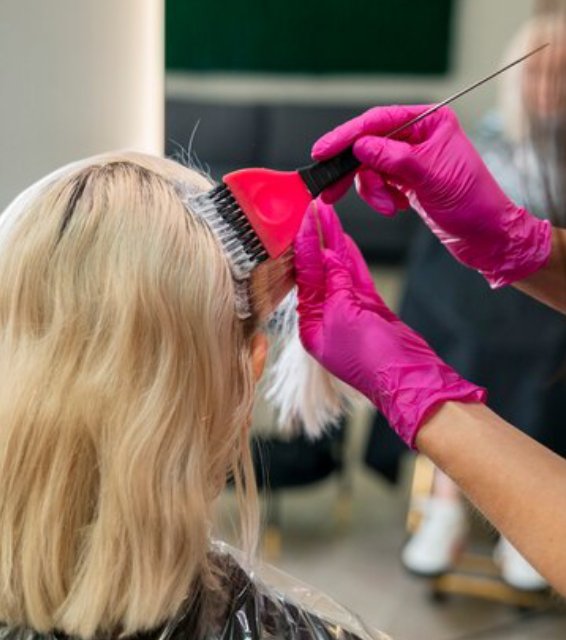
A real hair color transformation starts with a consultation, not a bottle of dye. A Best Hair Colorist in Indianapolis will look at your current color, how much lift or lightening your hair has already been through, your skin tone, and what “brunette” actually means to you (there’s a big difference between a soft chocolate and a deep espresso). From there, the filling stage happens if needed, followed by the actual brunette formula, processing time, and a gloss or toner to lock in tone and shine. Depending on how much correction is involved, this can take anywhere from two to four hours, which is exactly why DIY box dye struggles to compete here: there’s simply more strategy involved than “apply and rinse.”
The Commitment Part Nobody Talks About Enough
Going brunette is a bigger decision than people expect. Unlike temporary styling changes, reversing a deep brunette back to blonde later is a genuinely difficult, often multi-session process, since you’re lifting out pigment that was deliberately deposited. If you’re not 100% sure, a lot of stylists will suggest starting with lowlights or a gradual, lived-in transition rather than jumping straight to full commitment. It’s a much easier way to test whether you love it before going all-in.
Keeping Brunette Color Looking Fresh
Color doesn’t stop mattering once you leave the salon. Brunette shades, especially rich, glossy ones, tend to fade fastest with hot water and daily washing, so stretching out wash days and rinsing with cooler water goes a long way. Monthly gloss appointments help refresh tone between full color visits, and switching to sulfate-free shampoo (or trying a co-wash routine) protects vibrancy instead of stripping it out. Deep conditioning masks matter more than usual too, since previously lightened hair tends to be more porous and prone to dryness once it’s processed again.
Hair Color Trends Worth Knowing About
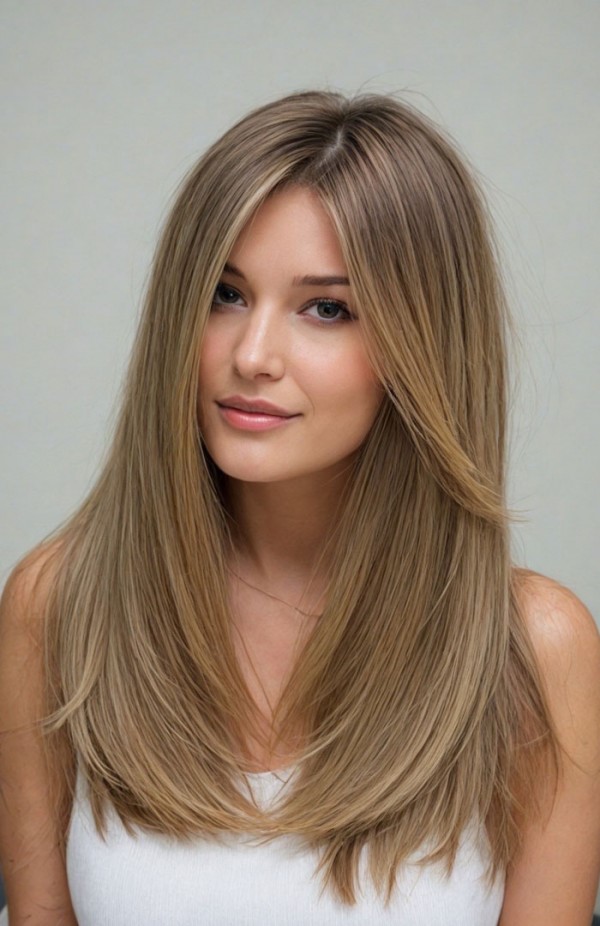
Brunette isn’t one shade, and that’s exactly why it’s having such a moment. Current hair color trends lean toward dimensional brunettes with soft, natural-looking depth rather than one flat, single-process tone, think subtle babylights woven through a base color, or a rich color with just a hint of warmth near the face. This kind of layered approach is part of why working with an experienced professional hair colorist matters so much: getting dimension right (instead of one uniform block of color) is a skill that takes real practice to do convincingly.
Finding the Right Colorist for the Job
Not every stylist specializes in color correction, and a blonde to brunette transformation genuinely is a correction, not a standard color service. When you’re comparing salons in Indianapolis, it’s worth asking directly about experience with major color changes specifically, not just general hair coloring services. At Styled By Jamie Kinch, color work built around getting dimension and tone right (not just “darker”) is a big part of the daily craft, alongside cutting, styling, and the kind of ongoing hair coloring services that keep a color looking good long after appointment day.
Hair Styling That Supports Your Color
Great hair styling habits go a long way toward protecting a fresh color transformation. Air-drying when your schedule allows, always using a heat protectant before blow-drying or straightening, and reaching for color-safe styling products all help keep newly deposited brunette pigment from fading out ahead of schedule. A lot of clients don’t realize how much everyday styling choices affect how long color actually lasts, sometimes even more than the wash schedule itself.
Final Thoughts
A great blonde to brunette hair color transformation comes down to patience, the right formula strategy, and a colorist who treats it as the correction it actually is. Come in with reference photos, be upfront about your hair’s color history, and don’t be surprised if your stylist recommends filling first, it’s not an upsell, it’s what makes the difference between color that looks expensive and color that looks off. Done right, brunette hair color is one of the most flattering, versatile changes you can make.